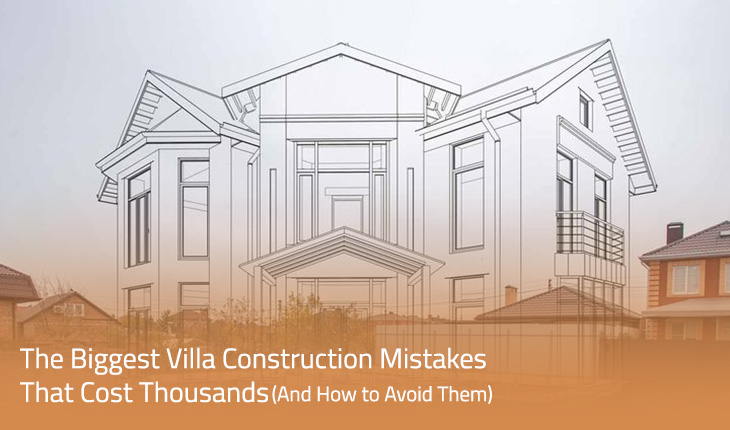
The Biggest Villa Construction Mistakes That Cost Thousands (And How to Avoid Them)
Building a villa in Abu Dhabi is exciting. It’s also one of the biggest checks you’ll ever write, and plenty can go wrong between the first sketch and the day you get the keys. After years on job sites, we’ve noticed that projects running over budget rarely fail because of bad luck. They fail because of decisions made too early, too fast, or without enough thought.
Here’s the good news: nearly every mistake on this list is avoidable. Below are the ten we see most often and what actually helps.

1. Starting Before the Design Is Actually Done
This is probably the most expensive habit we see, and it’s incredibly common. Someone gets impatient, construction starts, and three weeks in, somebody decides the layout needs to change. Now you’re tearing out finished work, reordering materials, and watching a timeline stretch by months instead of weeks.
Here’s what nobody tells you: a change on paper costs almost nothing, but the same change once the walls are up costs a lot.
How to avoid it: Lock in your architectural drawings, structural plans, and MEP layouts, and have your consultant review them before anyone touches a shovel
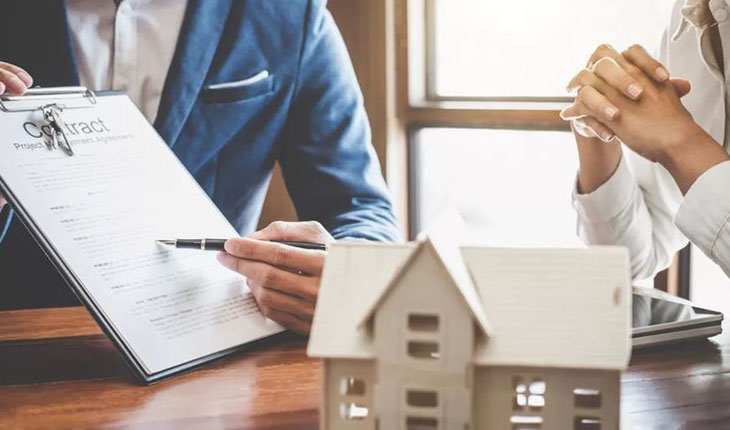
2. Hiring Whoever Quoted the Lowest Price
We get why it’s tempting. But a suspiciously low bid usually means something is being cut, and it’s rarely visible until later. Either way, you pay for it eventually, with interest.
Before you sign, check:
- Track record: how long they’ve operated and what they’ve built
- Past projects: visit them in person; don’t rely on photos
- Licensing: a valid license and the right Abu Dhabi classification (the Department of Municipalities and Transport classifies contractors)
- Materials: the quality they’re proposing
- Warranty: what backs their work
Price matters. It just shouldn’t be the only thing that does.
3. Skipping Soil Testing to Save Time
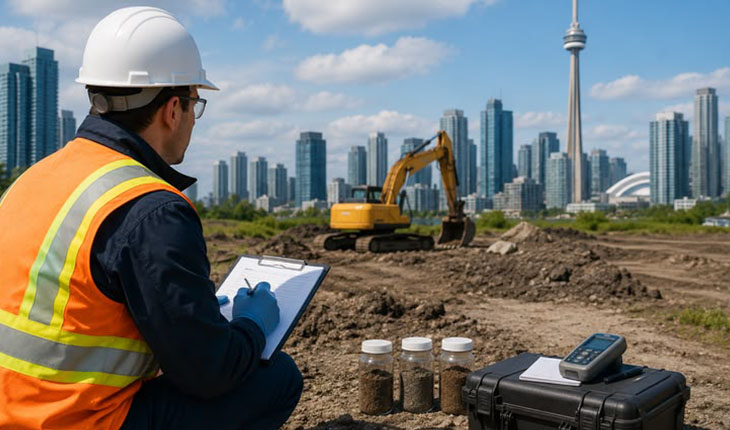
Honestly, this is the mistake that scares us most, because it’s invisible until it isn’t. Soil testing tells your engineer what foundation the ground can actually support. Skip it, and you may not see a problem for years until you’re dealing with settlement, cracking, or a foundation quietly failing beneath the house.
It isn’t paperwork for paperwork’s sake, either. Abu Dhabi’s permit process generally expects a geotechnical investigation report from an approved consultant, and reclaimed areas such as Yas Island and Al Reem can also need a liquefaction assessment. Ask your consultant what applies to your plot. It’s the one thing standing between you and a very expensive surprise.
4. Budgeting Only for “Construction”
Most people set a number in their heads that covers materials and labor, then stop there. A whole list of costs quietly shows up later:
- Government fees and approvals
- Consultant and engineering charges
- Utility connections
- Interior finishing
- Landscaping and outdoor work
- Furniture
- A contingency for the unexpected, because there’s always something
That last one matters more than people think. Set aside a contingency fund. You’ll almost certainly use it.
5. Going Cheap on Materials
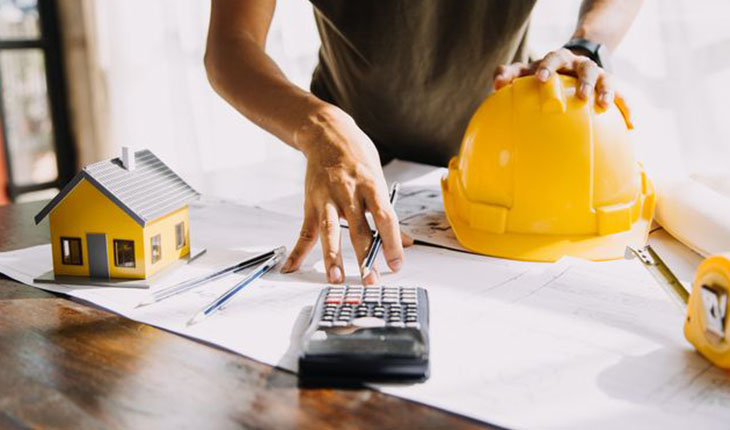
Saving on materials feels smart when the budget is tight. But in Abu Dhabi’s heat and humidity, low-grade materials age fast, need more upkeep, and quietly push your utility bills higher. What feels like a saving on day one often becomes a repeated expense over the next decade.
6. Only Designing for Right Now
It’s easy to design around your life today and forget that life changes. A few years on, people often want things they didn’t plan for:
- An extra bedroom
- A home office
- EV charging
- Smart home wiring
- An elevator
- Solar panels
Adding any of these after the villa is built costs far more than designing around them from day one. Even if you don’t need them yet, ask “what if” before construction starts.
7. Not Thinking About Energy Efficiency Early
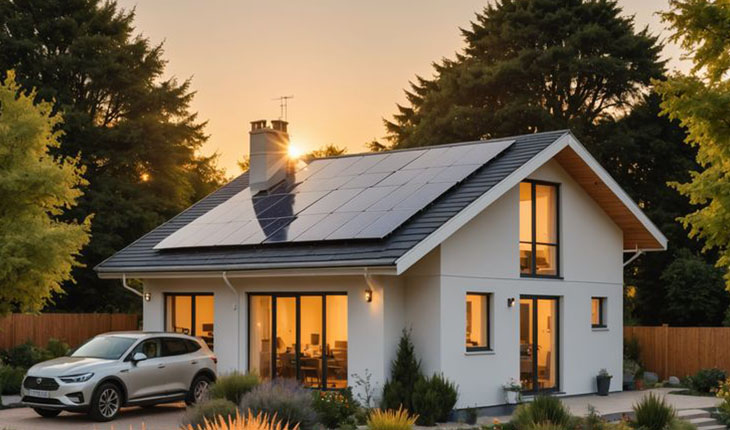
A poorly designed villa doesn’t just look worse. It costs more to run every month for as long as you live there. Abu Dhabi’s building codes require Estidama compliance for new construction, and villas are rated under the Pearl Villa Rating System, with a minimum of 1 Pearl for new projects. It’s far easier to build efficiency in from the start than to retrofit it later.
8. Not Watching the Site Closely Enough
You can have the best design in the world and still end up with problems if nobody checks the work as it happens. Without regular, hands-on supervision, small deviations from the plan turn into bigger ones, and by the time someone notices, it’s already built.
How to avoid it: appoint a supervising engineer and visit at key stages. Pearl-rated projects also get construction audits at five points, from site setup to final sign-off, so use them.
9. Changing Your Mind Too Often Mid-Build
Every “small” change during construction ripples outward: new materials, redone sections, a longer timeline, and more labor hours. The fix isn’t complicated. Settle every detail before construction starts, so you’re not making decisions on the fly.
10. Not Knowing the Local Rules
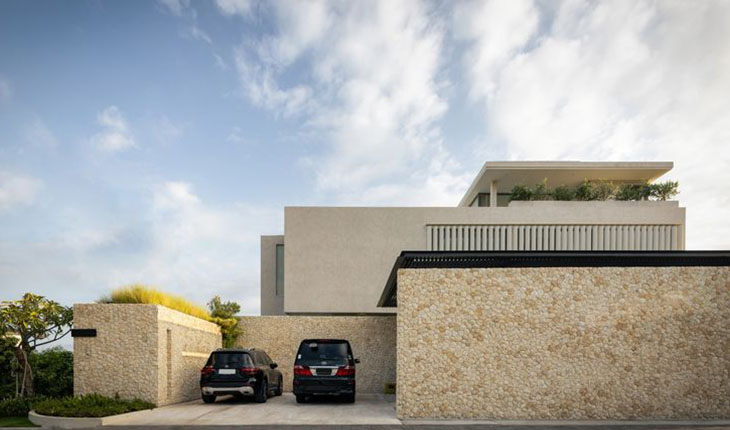
Abu Dhabi has specific building codes and approval processes, and skipping them doesn’t make them go away. It just delays your project, usually right when you’re hoping to be close to finished. Ask your consultant to walk you through the permit steps and inspections before you start.
Building It Right, From the Start
The villas that finish on time and on budget almost always share one thing: someone planned properly before the first brick went down. That means good consultants, a contractor who has earned your trust rather than simply offered the lowest price, and full compliance with Abu Dhabi’s regulations.
At The Mob Construction, this is genuinely where we spend most of our time, helping people avoid these exact problems before they happen. If you’re thinking about building, talk to us before you break ground. It’s a lot easier to fix a plan than to fix a wall.